
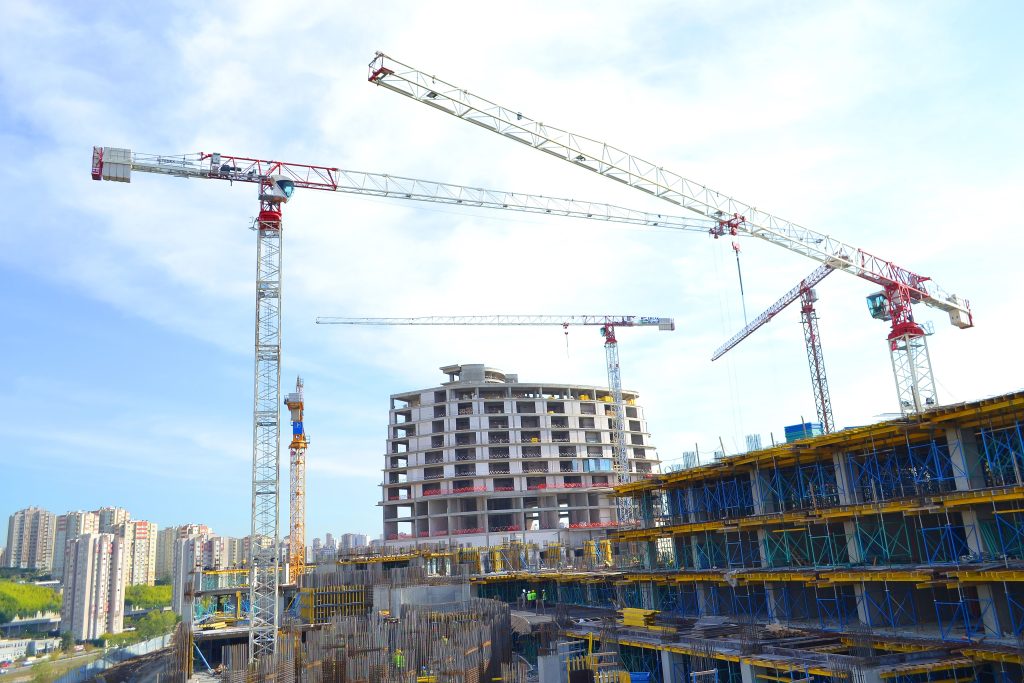
Challenges facing the Construction sector
Accounting for 34% of global emissions in 2023, building construction and operations remain a primary driver of the climate crisis. To stay on track with the Net Zero Emissions Scenario, the sector must reduce its energy intensity nearly five times faster over the next decade than it did in the previous one.
Consequently, this decade is critical for achieving the 2030 targets:
- 100% of new buildings must be zero-carbon-ready (see definition from EIA).
- 20% of the existing building stock must meet the same standard.
Global climate models show that by combining ambitious policies, focused on sufficiency, efficiency, and renewable energy, with the removal of structural barriers, both new and retrofitted buildings can approach net-zero GHG emissions by 2050.
Consultation: ACT Buildings Methodology
To support this transition, the World Benchmark Alliance (WBA) and ADEME are launching an extensively revised ACT Buildings Methodology. This update consolidates three separate ACT sectoral methodologies into a single, streamlined approach, effectively covering the majority of the construction, property development, and real estate value chain.
Public Consultation Window: June 29 to July 29, 2026.
This consultation offers companies and broader stakeholders a vital opportunity to provide feedback on the methodology’s completeness and core design choices. All insights gathered will shape the final version, scheduled for publication by the end of 2026.
Who is this consultation for:
- Companies operating across the building construction, property development, and real estate value chain
- Institutions and experts focused on evaluating companies’ transition readiness and climate transition plans
- Financial institutions seeking a deeper understanding of the climate performance of the companies they finance
- Initiatives working to hold companies accountable for their climate commitments
How can you participate?
We invite you to review the methodology changes using the links below and provide comments and feedback on all aspects of the document.