Category: ACT methodologies

PRO MethodologyPublic Consultation PRO FormThe ACT initiative was approached in 2022 by the French National Research Institute for Agriculture, Food, and the Environment (INRAE) to use the step-by-step ACT methodology developed by ADEME. This methodology helps companies define a decarbo…

Reading time: 4 minutesA roadmap towards a low-carbon transitionACT Agri-Agro complete methodologyThe agriculture and agri-food sector plays a central role in the fight against climate change, being responsible for almost a quarter of global greenhouse gas (GHG) emissions. In res…

SummaryMethodologyRoad-testThe Fashion sector is the first one to hold of the ACT Guidance and develop an ACT methodology on their own, with the technical support of the ACT Initiative and the financial support of ADEME and Le Défi Mode.The Fashion sector is responsible for…

We are proud to announce the new version of the ACT Framework.FrameworkThe Framework was first published in 2016 and was updated in 2019. As the landscape of transition planning and corporate climate responsibility has evolved significantly since then, the time was right to update it, …

The ACT Initiative has developed methodologies to assess a company's low-carbon transition towards a low-carbon economy. 15 key sectors in terms of greenhouse gas emissions are covered, and a so-called "generic" method allows for the inclusion of companies from other sectors.Link to the note …

The ACT Initiative developed methodologies to assess a company’s transition to a low-carbon economy. 15 key sectors in terms of GHG emissions are covered, a ‘Generic’ methodology allows to cover the other sectors. Link to the noteNevertheless, guidance was lacking when it comes to…

ADEME is delighted to officially announce that the financial sector has joined the list of sectors covered by the ACT methodologies after two years of development and testing. Financial institutions will now also be able to benefit from a tool for assessing their climate strategies in line with the …

As the ACT initiative expands, and the number of users of the ACT Step-by-Step methodology and tools grows, we make it a point of honor to offer effective and relevant tools to help companies in their efforts. In fact, we regularly revise our tools to add new features, simplify the user interface, a…

The ACT Generic methodology was first published in 2021 to assess companies not covered by any sectoral methodologies within the set developed by the ACT initiative. The ACT Generic methodology has been updated to ensure it remains cutting-edge in its ambition, relevance, and comprehensiveness. You …

First published as a draft in 2016, the Electricity methodology needed to be updated to ensure it remains cutting-edge in its ambition, relevance, and comprehensiveness. You can find the updated version of the methodology here. The World Benchmarking Alliance has used the former methodology twice, f…

After testing the ACT Adaptation methodology with 13 volunteer companies, we are glad to announce the release of the ACT Adaptation methodology! The world has already exceeded +1°C global warming compared to the pre-industrial period (1850-1900). With the temperature rising, climate change has been …

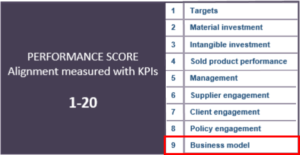
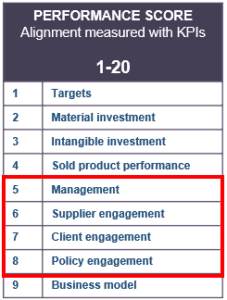
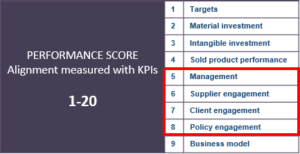
In September 2022, the ACT initiative published updated versions of four qualitative modules which appear in all ACT methodologies (5. Management, 6. Supplier engagement, 7. Client engagement, and 8. Policy engagement). The fifth qualitative module, module 9: Business model, has now been updated. Al…

The ACT Team launches its Public Consultation to update the Generic methodology. This methodology was first published in 2021 to cover any sectors not already covered by ACT sectoral methodologies. Now the time has come to update it, to ensure it remains cutting-edge in its ambition, relevance, and …

? The world has already exceeded +1°C global warming compared to the pre-industrial period (1850-1900). Climate change has been definitively linked with severe and widespread consequences across the globe (see the World Weather Attribution initiative). Thus, adaptation to the current and future clim…

Following public consultation, ADEME shares its updated draft ACT Finance methodologies :Banks methodology Investors methodologyContributions from various stakeholders have improved the clarity and consistency of draft methodologies. The main changes are:more detailed definitions helping to ca…

ADEME is launching the ACT 4 Finance public consultation. The consultation is open to every financial sector stakeholder and will end on February 10th. It is the opportunity to:review the full methodology before road-test  check the methodology consistency and clarity get feedbackContribution pr…

The ACT Initiative team is glad to announce the release of the ACT Pulp and Paper methodology! Pulp and Paper is the fourth most energy-intensive industry. According to IEA, it represents 5.6% of the industrial energy consumption. The pulp & paper sector has an important role to play in global d…

ADEME is launching a road-test of the ACT methodology (Assessing low-Carbon Transition) for the Finance sector. It is a unique opportunity to benefit from a third-party analysis of your decarbonization strategy and associated transition plan. Over the last 9 months, market-led working groups have de…

The ACT Initiative is glad to announce the release of the ACT Aluminium methodology! Aluminium industry is currently responsible for 2% of global GHG emissions (1.1 Gt/year), aluminium being the second most-used metal in the world after iron. As aluminium is a key metal, especially in the context of…

Following the public consultation, we are proud to share the new version of ACT qualitative indicators for module 5 (management), module 6 (supplier engagement), module 7 (client engagement), and module 8 (policy engagement). These new indicators are being integrated into the forthcoming ACT sectora…

What is this consultation about? The Assessing low-Carbon Transition (ACT) initiative is proposing an update of four of the qualitative modules that form part of the ACT Performance score. These modules appear in the same form in many of the ACT Methodologies, though some have sector-specific elemen…

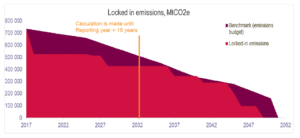
The ACT Initiative is glad to announce the release of the ACT Iron & Steel methodology! Steel production is highly energy- and emissions-intensive; among heavy industries, the iron and steel sector ranks first when it comes to CO2 emissions, and second when it comes to energy consumption. The lo…

ACT assessments provide companies with a feedback report outlining best practice and opportunities for improvement as well as a rating to track progress. These assessments are carried out following sectoral methodology and, from the end of May 2021, Aluminium, Chemicals, Glass and Pulp & Paper c…

As all companies have their role to play in the low-carbon transition, the ACT initiative developed the ACT Generic methodology which aims to assess the readiness to transition to the low-carbon economy of multi-activity companies as well as companies operating in sectors that will not be covered by…

The ACT initiative will launch sectoral methodologies development for the metal (iron and steel), agriculture and agro-food sectors as well as a generic methodology for conglomerate companies and companies operating in sectors that will not be covered by ACT methodologies (see sign up/consultation p…

ACT – Assessing low Carbon Transition methodologies for Cement, Oil & Gas and Transport sectors are open for public consultation. This is a unique opportunity to contribute to the only international initiative of the UNFCCC secretariat Global Climate Agenda developing sectoral methodologies as a…

The ACT initiative is launching the road-test of the ACT methodologies (Assessing low-Carbon Transition) for Cement, Oil & Gas and Transport (transport operators and providers of transport services, for passengers and goods) sectors. This road-test will allow participating companies to benefit f…